I am travelling in time as I write this blog in July.
 'At present I feel like there are all these fragile bubbles floating about in my head..'
By the time you read this, in the middle of August, I will have just returned from a week of tutoring a Writing for Children course for adults at the Arvon Foundation at the lovely Moniack Mhor near Inverness. I love working with and encouraging emerging writers, it makes me look at the craft of writing and being in the company of other creative people is always inspiring. I come away feeling enthused, inspired and ready to get back to my own writing.
Creativity is a nebulous thing it seems to me that it is affected by energy levels, emotional state and a whole number of other things that are just part of life that goes on around us. I am currently (now - in July) in the middle of a new book and I am getting to know the characters, wrestling with their cares and woes but I will have to leave them for a while, or at least I will only have a few moments here and there to dip in and not long enough to do any serious writing, because August is going to be a very busy month.


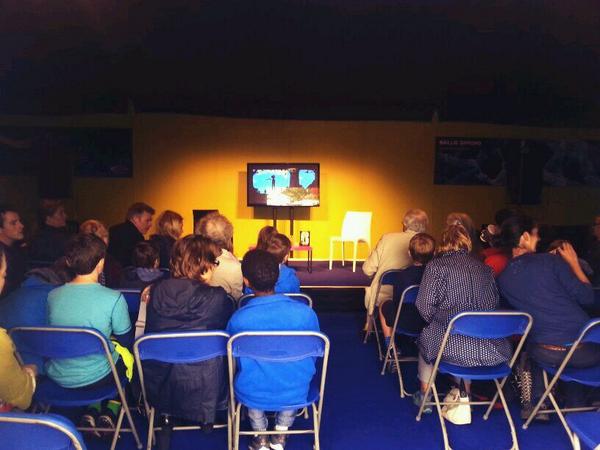
I have two book festival appearances on 8th and 9th of August followed by the Arvon week up north, and I return just in time to go to a wedding!
I should also have a new blog up and running by the time you read this - it's almost ready. As the new Patron of Reading for Liberton High School in Edinburgh, I wanted to start off by creating a blog which the students, parents and staff of the school can contribute to.
 It is called our-books-on-the-brain.
One of the boys from the school won a competition to design this great image for the blog and over time there will be more competitions, examples of writing, book reviews and reading lists of books suggested by the contributors, as well as regular blogs by myself and the school community.
I love doing all these other things that are part of my job and not actually writing the book, but the real joy, and angst, comes from losing myself in a story.
The angst is the constant fear that it won't work, that no one will be interested in publishing it, (I'm writing a story that I want people to read). Can I justify spending hours and hours writing when I am constantly questioning if it will be good enough?
 But if I let the worries intrude too much I would never write a word, so they are firmly closed in behind a heavy door with a solid lock!
The joy is when I get so lost in the story that if feels like I am living there with the characters, laughing and crying, scared and excited with them.
In this book I am writing bits of each character's part of the story as they come to me, and it is not in any particular order because I'm not really a planner. When the bulk of the story is written I will want to move things about and sort out how the story will flow, to make the reader intrigued and hopefully keen to find out what happens next. I know I will edit out some of it later, but at the moment I am thoroughly enjoying discovering all sorts of connections between their stories that I had not anticipated.
At present I feel like there are all these fragile bubbles floating about in my head, filled with different characters and story lines. I have not yet tied down where they relate to each other, just that they are in some way connected. It is like holding onto a string of balloons and waiting for the right moment to weave them together.
 I like to try and stop writing in the middle of a sentence, or when something is just about to happen because it makes it easier to slip back into it. Sometimes when I go back to work on a section and discover the character's story is a little further on than I had remembered. It is exciting because it feels almost like the story is going on - even when I am not there. As if the characters have gone on with their lives and are just waiting for me to catch up.
It is easy fall prey to fears and insecurity, but I have to keep faith in my ability to tell this story well, that it will be something that will capture the reader's imagination as it has mine.
It is a fragile thing this bubble of creativity and it can so easily be burst by negative thoughts and worries. So for the moment I am shutting out the negativity and hoping for a gentle delicate breeze that will keep all the bubbles in the air at least for the moment until August arrives and I will have to put it all aside for a few weeks.
Hopefully by the time you read this the story will be far enough on that the characters will truly have solid a life of their own and will be waiting impatiently there for me to come back and finish telling their story.
What helps you keep your bubbles of creativity up in the air?
.........................

Linda Strachan is the author of over 60 books for all ages from picture books to teenage novels and a writing handbook Writing For Children
Her latest YA novel is Don't Judge Me published by Strident 2012
website www.lindastrachan.com

By the time you read this, in the middle of August, I will have just returned from a week of tutoring a Writing for Children course for adults at the Arvon Foundation at the lovely Moniack Mhor near Inverness. I love working with and encouraging emerging writers, it makes me look at the craft of writing and being in the company of other creative people is always inspiring. I come away feeling enthused, inspired and ready to get back to my own writing.
Creativity is a nebulous thing it seems to me that it is affected by energy levels, emotional state and a whole number of other things that are just part of life that goes on around us. I am currently (now - in July) in the middle of a new book and I am getting to know the characters, wrestling with their cares and woes but I will have to leave them for a while, or at least I will only have a few moments here and there to dip in and not long enough to do any serious writing, because August is going to be a very busy month.


I have two book festival appearances on 8th and 9th of August followed by the Arvon week up north, and I return just in time to go to a wedding!
I should also have a new blog up and running by the time you read this - it's almost ready. As the new Patron of Reading for Liberton High School in Edinburgh, I wanted to start off by creating a blog which the students, parents and staff of the school can contribute to.

One of the boys from the school won a competition to design this great image for the blog and over time there will be more competitions, examples of writing, book reviews and reading lists of books suggested by the contributors, as well as regular blogs by myself and the school community.
I love doing all these other things that are part of my job and not actually writing the book, but the real joy, and angst, comes from losing myself in a story.
The angst is the constant fear that it won't work, that no one will be interested in publishing it, (I'm writing a story that I want people to read). Can I justify spending hours and hours writing when I am constantly questioning if it will be good enough?
 But if I let the worries intrude too much I would never write a word, so they are firmly closed in behind a heavy door with a solid lock!
The joy is when I get so lost in the story that if feels like I am living there with the characters, laughing and crying, scared and excited with them.
In this book I am writing bits of each character's part of the story as they come to me, and it is not in any particular order because I'm not really a planner. When the bulk of the story is written I will want to move things about and sort out how the story will flow, to make the reader intrigued and hopefully keen to find out what happens next. I know I will edit out some of it later, but at the moment I am thoroughly enjoying discovering all sorts of connections between their stories that I had not anticipated.
At present I feel like there are all these fragile bubbles floating about in my head, filled with different characters and story lines. I have not yet tied down where they relate to each other, just that they are in some way connected. It is like holding onto a string of balloons and waiting for the right moment to weave them together.
 I like to try and stop writing in the middle of a sentence, or when something is just about to happen because it makes it easier to slip back into it. Sometimes when I go back to work on a section and discover the character's story is a little further on than I had remembered. It is exciting because it feels almost like the story is going on - even when I am not there. As if the characters have gone on with their lives and are just waiting for me to catch up.
 It is easy fall prey to fears and insecurity, but I have to keep faith in my ability to tell this story well, that it will be something that will capture the reader's imagination as it has mine.
It is a fragile thing this bubble of creativity and it can so easily be burst by negative thoughts and worries. So for the moment I am shutting out the negativity and hoping for a gentle delicate breeze that will keep all the bubbles in the air at least for the moment until August arrives and I will have to put it all aside for a few weeks.
Hopefully by the time you read this the story will be far enough on that the characters will truly have solid a life of their own and will be waiting impatiently there for me to come back and finish telling their story.
What helps you keep your bubbles of creativity up in the air?
.........................

Linda Strachan is the author of over 60 books for all ages from picture books to teenage novels and a writing handbook Writing For Children
Her latest YA novel is Don't Judge Me published by Strident 2012
website www.lindastrachan.com